







Chinewalker
Fleet Admiral
- Joined
- Aug 19, 2001
- Messages
- 8,902
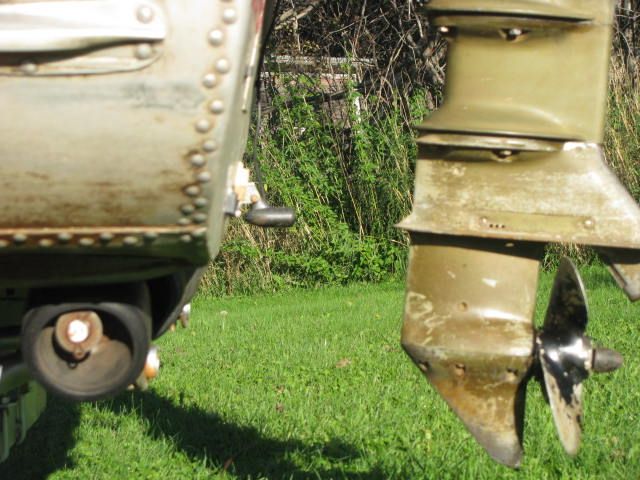
It's an inexact science. OMC's tend to fudge a little on the long side. This is because boat manufacturers tend to be all over the place in their transom heights. Very rarely is a transom built to exactly 15 or 20 inches. Also, keels, bottom shapes, hull designs, etc. can affect water flow around the lower unit. The end result is that outboards tend to run a little longer than the "standard". When someone says it's a 20-inch shaft, what they really mean is that it's for a 20-inch transom, even if the actual shaft length is a in inch or three longer. In truth, it is better to have a motor run an inch or two deep than it is to be an inch or two shallow. It is much easier to jack a motor upwards a bit to achieve better performance than it is to lower a transom to get the motor deep enough to pump water and keep the prop from blowing out.
If your motor is running as it should - both cylinder firing, compression good, prop hub isn't slipping, etc. then that motor should pop your boat right up on plane. If it's not, then something is wrong. Likely with your set-up. If you can lower the jack plate a notch, that may prevent ventilation blow out, if that's your issue. I have a similar motor on my tinny and it runs with the plate an inch or so below the bottom of the boat. When I've tried raising it, it will blow out in turns, and runs louder as the exhaust ventilates to the surface.
If your motor is running as it should - both cylinder firing, compression good, prop hub isn't slipping, etc. then that motor should pop your boat right up on plane. If it's not, then something is wrong. Likely with your set-up. If you can lower the jack plate a notch, that may prevent ventilation blow out, if that's your issue. I have a similar motor on my tinny and it runs with the plate an inch or so below the bottom of the boat. When I've tried raising it, it will blow out in turns, and runs louder as the exhaust ventilates to the surface.