


Rickyracer
Recruit
- Joined
- Apr 9, 2011
- Messages
- 5
Is it possible to cut the transducer cable and then splice it back together so I don't have 13 extra feet of cable laying around.





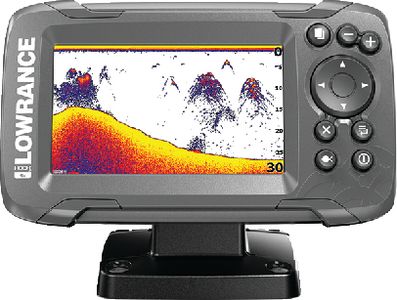


Is it possible to cut the transducer cable and then splice it back together so I don't have 13 extra feet of cable laying around.


Coaxial cable was never meant to be cut, and then Red-Necked back together with solder and heat shrink.
It is not a DC power cable, it is a 200kHz transmission line.
I think your confusing the frequency of the output of the peizo with the output of the signal generator. Even the best units are running no more than 66 Hz.
This is one of those items that are a lot more difficult than it appears on the surface.
Coaxial cable was never meant to be cut, and then Red-Necked back together with solder and heat shrink.
It is not a DC power cable, it is a 200kHz transmission line.
Your best option is to neatly coil the cable into a nice 3 inch loop where it passes someplace you can secure it.
One day you will want to move the sonar to another place on the boat, or even to another boat.
If you upgrade and sell it in a few years the next user may need the extra length.
13 feet too long is a lot better than 3 inches too short! :blue:
Once you cut it, the integrity and reliability of the cable will be reduced.
You will also be eliminating all future re-routing options.
Cutting the transducer cable is in the same category as tattooing your girlfriend's name on your forearm.
You WILL live to regret it!
Think twice about cutting it, and then think again!
Sonar may be far from microwave but it is still not speaker wires.
Modern units are using up to 800kHz.
Can you splice a cable back together and get it to work? Certainly!
Repairing an accidentally damaged cable is one thing.
Recommending that someone intentionally cut one and splice it back together is another.
If you want to do it correctly, shorten the cable by attaching a new connector to the end.
Unfortunately sonar connectors are proprietary and hard, to impossible, to come by.
My background includes being a certified medical electronics technician.
Making any connections that are not 100% reliable could result in someones death.
So, I admittedly, tend to be overly anal about making reliable connections.
Splicing a shielded cable, except as a temporary emergency fix, would never be a consideration.
No one is likely to die from a noisy sonar signal.
It is the OP's cable and he is free to do as he pleases.
We all have different opinions. Can we agree, to disagree?
eace:
What does the frequency of output of the piezo have to do with the cable?Modern units are using up to 800kHz.

