






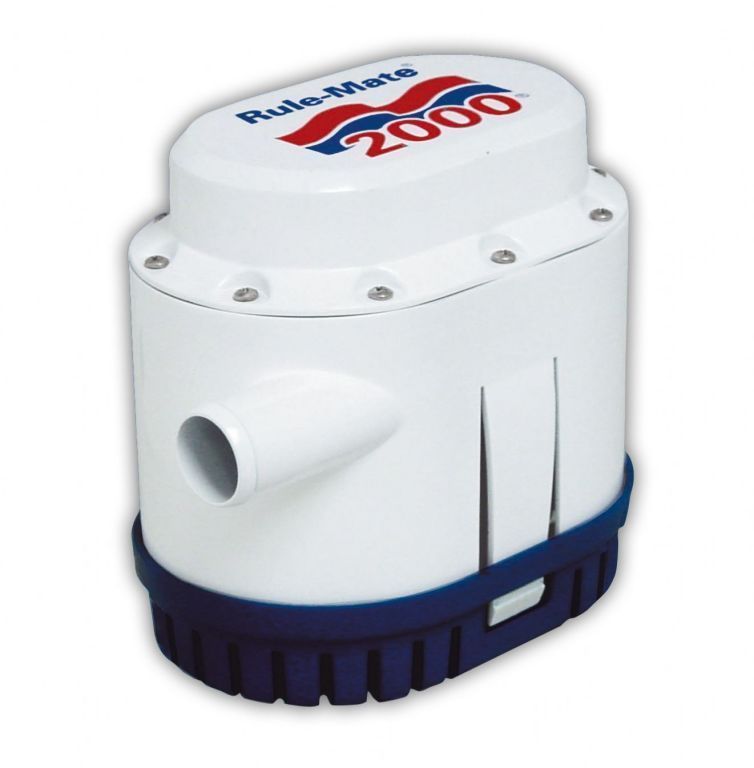


Ok, so here's another "water-in-my-oil" story. Started the boat up in the draveway, let it run for about 10 minutes, no issues. Took it to the lake, ran a few hours, all seemed good. Took on a little water from another boats wake while we were sitting still (didn' think anything of it at the time). A little while later, I happened to think about the water again, so I flipped on the bilge pump switch and noticed grey-ish colored water shooting out the side of the boat! Turned it off, stopped the engine, pulled the cover and immediately saw beige, milky oil on top of the engine. Looks like it spewed out of the vent tube on top of the valve cover and shot into the side of the flame arrestor, before dripping/running down into the hull beneath the engine. Pulled the dipstick and the same milky stuff was about 3/4 of the way up the dipstick.
I can't say if the water that came into the boat had anything to do with the water getting into the oil, but at least it drove me to turn on the bilge. If I hadn't, I might have run it 'til it died. The engine never gave any sign of problems - no noise, no poor operation, nothing.
The next day, I attempted to drain the "oil" from the oil drain tube that comes directly out of the bottom of the oil pan. That is a slow process, at best, as the gunk is quite thick.
What might be the best place to start? I was told by a mechanic that adding a little diesel fuel or kerosene directly into the oil fill hole would help to break down the gunk so that it could be drained. He said to add some diesel fuel, crank the engine and let it run for about 15 seconds then shut it down and let it cool down. He also said to do this without having water feeding into the engine, to keep from adding more water to the oil. Not sure if this is a wise thing. If not, what is the alternative?
Any input on things I should look for, order of operations, etc would be greatly appreciated. I am now on day three since I discovered this issue, and the thought of water in the engine (and the rust that it produces) has me very nervous.
Thanks,
Mike
I can't say if the water that came into the boat had anything to do with the water getting into the oil, but at least it drove me to turn on the bilge. If I hadn't, I might have run it 'til it died. The engine never gave any sign of problems - no noise, no poor operation, nothing.
The next day, I attempted to drain the "oil" from the oil drain tube that comes directly out of the bottom of the oil pan. That is a slow process, at best, as the gunk is quite thick.
What might be the best place to start? I was told by a mechanic that adding a little diesel fuel or kerosene directly into the oil fill hole would help to break down the gunk so that it could be drained. He said to add some diesel fuel, crank the engine and let it run for about 15 seconds then shut it down and let it cool down. He also said to do this without having water feeding into the engine, to keep from adding more water to the oil. Not sure if this is a wise thing. If not, what is the alternative?
Any input on things I should look for, order of operations, etc would be greatly appreciated. I am now on day three since I discovered this issue, and the thought of water in the engine (and the rust that it produces) has me very nervous.
Thanks,
Mike


