









SirDuke716
Recruit
- Joined
- Aug 4, 2017
- Messages
- 3
Hello,
I'm currently having my transom rebuilt on a 1976 Galaxy Fiberglass Bowrider with a 115hp outboard. The boat was purchased new in 1976 by my grandfather, then gifted to my father in 1986, and now gifted to me in 2017. She's a beautiful boat that is stored inside 51 weeks a year, and only used 1 week a year in northern Canada fishing for Pike and Walleye....and some Skiing!!
The transom has rotted and is being replaced. The floor has been cut back 24" inches to inspect stringers and we noticed a drilled holes in the side of the bilge wall, near the bottom.
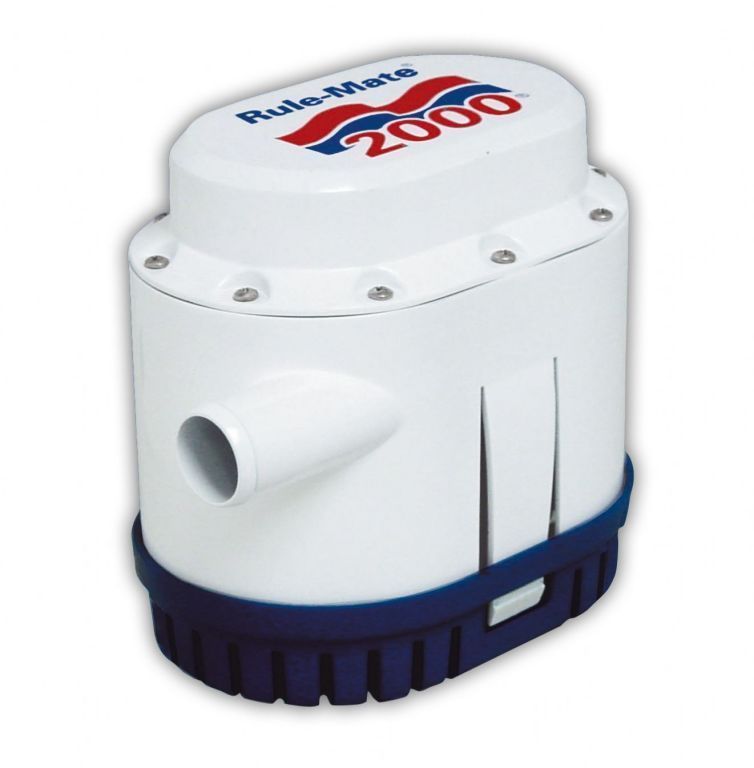
My question is the Bilge Sump has a 1/4" or 3/8" hole drilled close to the bottom on a side wall through to the void in the hull that is occupied by the foam and stringers. Is this normal? Is this hole intended to let water that is under the floor, trapped in the hull, an avenue to enter the bilge sump and be pumped out by the bilge pump?
It tells me then, that normal rain water that hits the top side of the floor, travels to the stern, and "waterfalls" into the bilge will now escape the bilge sump and enter the stringer and foam void of the hull and begin to fill that up, too. Whereas both the water in the hull, and bilge sump, must equalize to a height that triggers the float switch. That seems wrong, to me, hence why I'm asking for education.
But again, how would water that is trapped in the stringer and foam voids ever get out of the boat if there was not such a hole in the side of the bilge near the bottom of it.
Thank you for your education.
I'm currently having my transom rebuilt on a 1976 Galaxy Fiberglass Bowrider with a 115hp outboard. The boat was purchased new in 1976 by my grandfather, then gifted to my father in 1986, and now gifted to me in 2017. She's a beautiful boat that is stored inside 51 weeks a year, and only used 1 week a year in northern Canada fishing for Pike and Walleye....and some Skiing!!
The transom has rotted and is being replaced. The floor has been cut back 24" inches to inspect stringers and we noticed a drilled holes in the side of the bilge wall, near the bottom.
My question is the Bilge Sump has a 1/4" or 3/8" hole drilled close to the bottom on a side wall through to the void in the hull that is occupied by the foam and stringers. Is this normal? Is this hole intended to let water that is under the floor, trapped in the hull, an avenue to enter the bilge sump and be pumped out by the bilge pump?
It tells me then, that normal rain water that hits the top side of the floor, travels to the stern, and "waterfalls" into the bilge will now escape the bilge sump and enter the stringer and foam void of the hull and begin to fill that up, too. Whereas both the water in the hull, and bilge sump, must equalize to a height that triggers the float switch. That seems wrong, to me, hence why I'm asking for education.
But again, how would water that is trapped in the stringer and foam voids ever get out of the boat if there was not such a hole in the side of the bilge near the bottom of it.
Thank you for your education.


