Re: Fiberglass Residue
I can perhaps contribute with something in this,
The main harm to what we use is rarely cancer. It's usually the allergy-risk we should be concerned of. Imagine that you develop a severe allergy to phtalicacid witch is the main component in oil-based paint and yeps, you guessed right. Polyester. Almost everything is painted with this type of paint...
I did work for over 20 years at a company called DSM Resins Scandinavia where we manufactured the polyester resin and also the resin for oil based paint. One of the biggest question we had was how dangerous the styrene was compared to other solvents.
What makes solvent dangerous is that it dilutes fat and is so fine refined that it will be soaked up by your skin if exposed to enough. This means that it can dissolve brain tissue since the brain consist of a high portion of fat. We could measure this in the belly-fat up to several weeks after exposed to it... Some are also more or less carcinogenic.
The latest fact before I ended my career there was that it can take a very long time before you can see the damage caused by styrene making it impossible to blame as the right cause. As for the allergenic part it's mostly the components it self that is causing this.
As for paint and for polyester resins, one of the head ingredients is phtalic acid witch is a chemical that is a fact to cause allergy. Since this is a main ingredients it's assumed that it will do the same when cooked together with all the other stuff you have in the batch like glycol, fatty acid oil. For the polyester it mostly consist of Phtalic and Maleic acid and a good portion of propylene glycol and some other smaller parts.
I haven't heard that the Maleic acid will cause any allergy but it will for a fact cause irritation to your skin and also burn your throat if inhaled. I know this by personal experience.
However when cooked together with all other ingredients you'll end up with a resin were the chemicals are bound to each-other making it a new product with new characteristics. This goes for the cured product as well. It has then changed it's chemical structure to something completely different.
This goes also for epoxy witch also was one of the product that we produced. I can't remember the exact ingredients for this but one of the chemicals was classified as very allergy causing and also carcinogenic. We handled this with one time protection clothes for safety reason. This chemical could also cause changes in the skin pigment which is what happens when you develop skin cancer caused by burns from the sun. It can be so aggressive that that you if unlucky only need one single contact with it to be stuck with a lifetime of contact allergy.
The danger of epoxy lays in the epoxy resin before it has been cured because when it's cured it has changed it's chemical bindings to a totally different material and is hereby consider not dangerous.
Same thing goes for foam, The dangerous ingredient of this is Toluene diisocyanate witch also causes severe allergy and also is very toxic. Especially when inhaled.
Repeated overexposure and/or a high one-time accidental exposure to TDI may cause allergic lung sensitization or asthma. This stuff was classified as one of the most dangerous chemical we handled and was considered so bad that only the operator was allowed to be in the area where it was handled. He should have a respiratory breather and one time clothes at all the time he handled this. This is the chemical that makes the foam alive when exposed to the small amount of moist in normal air. Then it reacts by making CO2 causing the resin to swallow and some urea. When reacted with the water it's not the same product any more and considered not dangerous. The neutralization liquid for this is made of ammonia and water and after exposed to that it can be wiped with a normal cloth.
Conclusion:
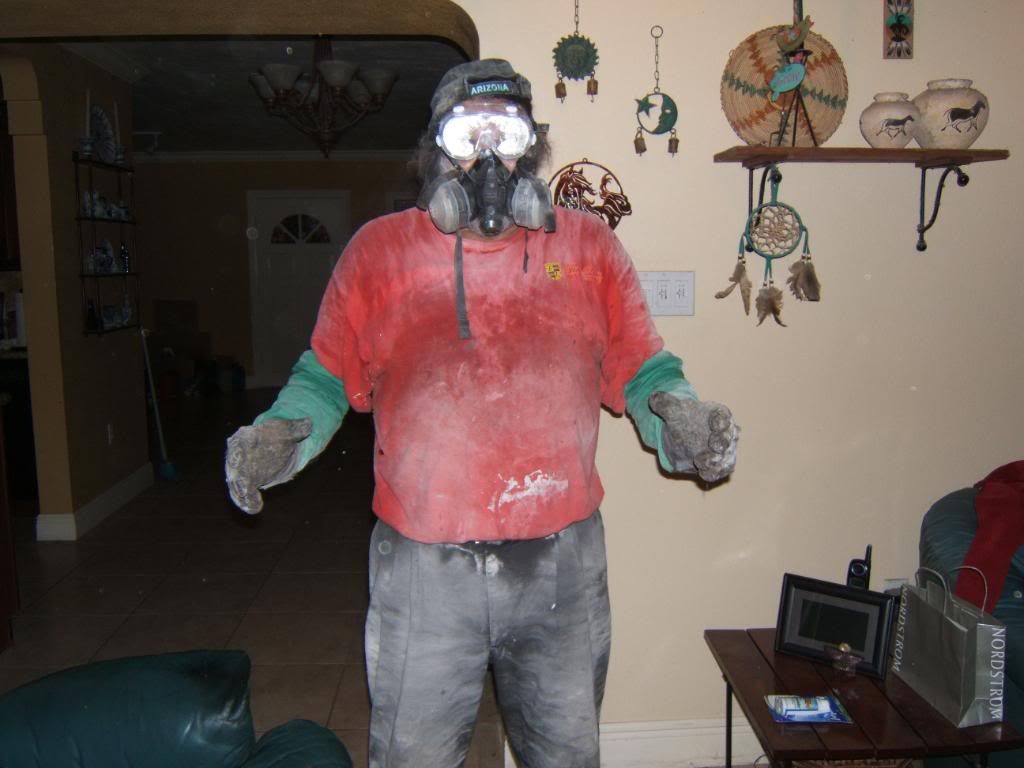
A lot can be said and be written but best thing is to keep your self well protected, especially when the products not have been cured. Dust is not good for your lungs for obvious reason and the chemicals that we handles is harmful and can cause you all kinds of health trouble making it better to be protected than not.
Ondarvr has made the point and what he says makes sense. Protect your self and have respect for the products that you use bur don't exaggerate and as Ondarvr already said, a smell doesn't mean you're in danger. A great example we all can relate to: A fart smells like hell sometimes but still it's in such small amount that it can hardly be measured. All though you will die when exposed to high amount of methane and nitrogen witch is the main component of a fart