

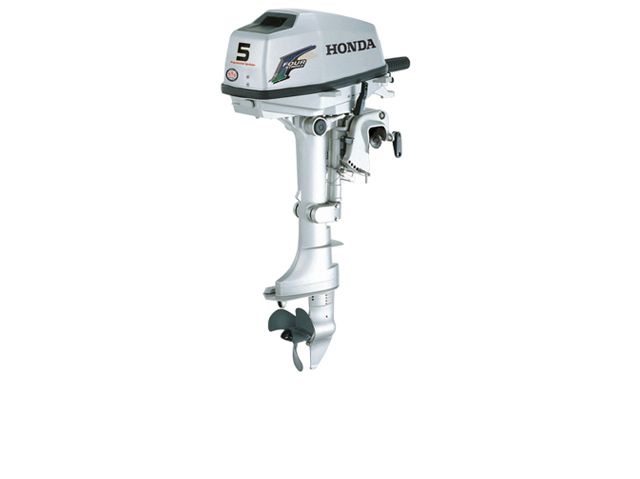




Recently I overhauled my motor due to a melt down in the #2 piston. During the repair process I found water in my oil resevoir and water also in the oil pump (located on the motor). Consequently, I presumed that was the cause to everything (lack oil to #2 piston) including the rusted bearings ect. So emptied both the 2 gallon tank and the small tank located on the motor, replaced the oil pump & replaced the oil lines. After completing the overhaul, I began the break in process. After less than 10 hours the motor blew the #2 piston again. Soooo...I take the motor apart and what do I find? I find water in the line running from the oil pump and the resevoir located on the motor. And not just a little, it was about half of the line. I'M TOTALLY STUMPED,WHERE DID IT COME FROM? The contamination zone is so isolated and so small that it defies explanation.
I not only cleaned out the entire system during the overhaul, I also mad sure that I kept the TCW3 container in my pickup locked up and it was a new 5 gallon container. I wanted to make sure that no water got into the primary 2 gal resevoir tank. In other words, I presumed that my original problem was that I had somehow poured contaminated TCW3 into the tank to cause the problem. Knowing all this, how can anyone explain how the water can possibly get into the sytem?
I not only cleaned out the entire system during the overhaul, I also mad sure that I kept the TCW3 container in my pickup locked up and it was a new 5 gallon container. I wanted to make sure that no water got into the primary 2 gal resevoir tank. In other words, I presumed that my original problem was that I had somehow poured contaminated TCW3 into the tank to cause the problem. Knowing all this, how can anyone explain how the water can possibly get into the sytem?