Re: size matters
They can be hard to plane, but careful attention to weight distribution makes an enormous amount of difference. On my boat, to get it to plane with me, the fuel, outboard, trolling motor, and battery, along with tackle box and a couple of rods I had to do this:
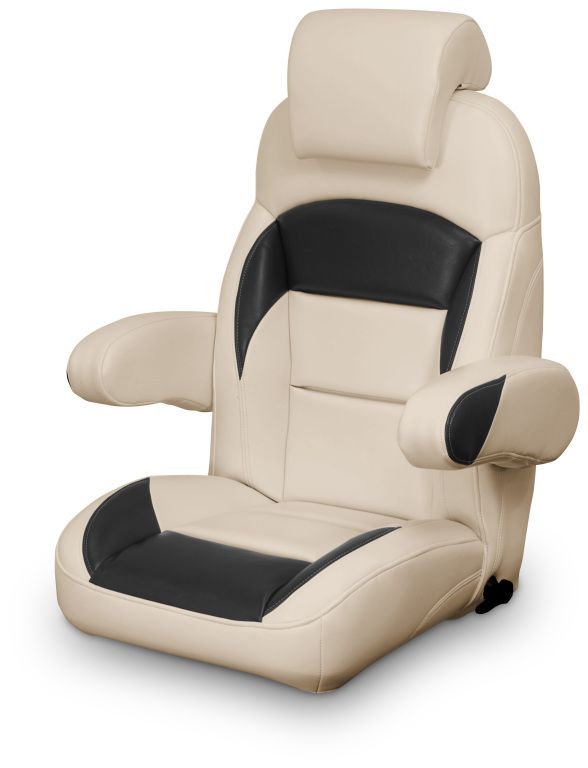
1. Move my swivel seat ahead of the rear bench about six inches. I built a little platform to do this, attached to the rear bench. An advantage is that I can drop my arm behind the seat and steer very nicely, while being centered in the boat.
2. Move the fuel tank up on a platform mounted along one side of the boat, just in front of the center bench seat.
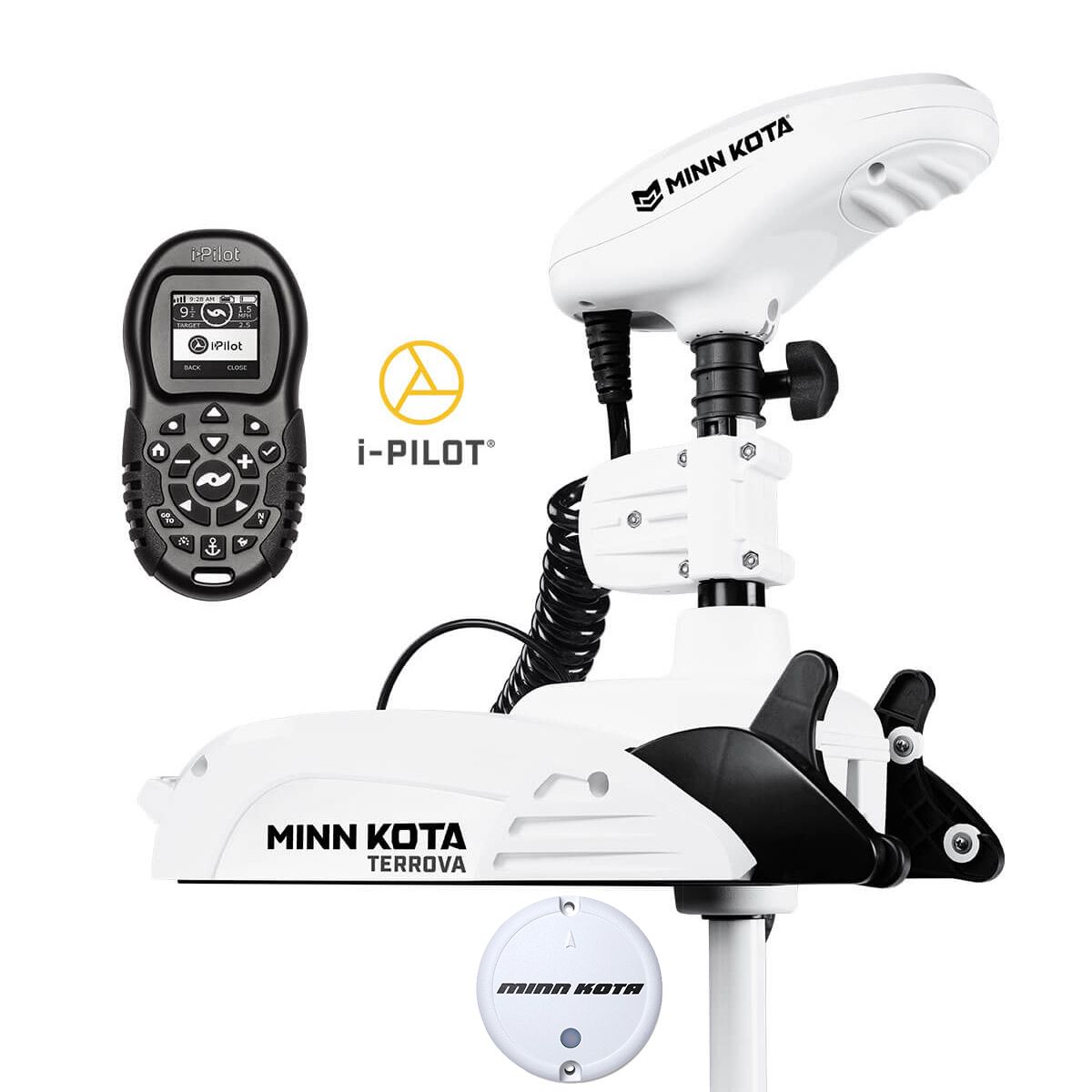
3. Move the trolling motor battery to a small platform on the hull, right behind the front bench seat, then run cable made of auto jumper cables to a trolling motor socket mounted on the rear of the rear bench.
4. To make space, the big tackle box goes on a side platform between the rear and middle seat.
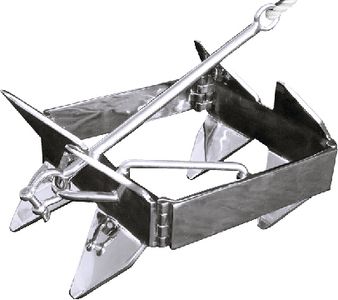
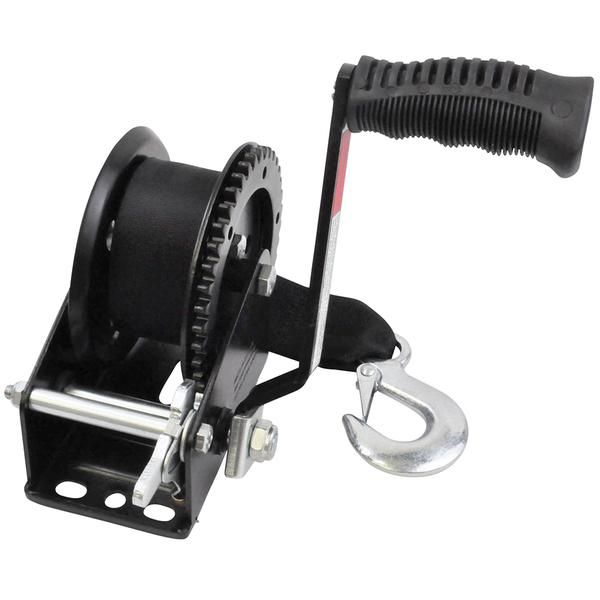
5. My 10 lb. mushroom anchor hangs from an AnchorMate fitting on the bow, with the winch mounted on the center seat.
6. Experiment with trim to optimize performance.
I weigh about 190, and, set up this way, the boat planes just fine, and runs at 14 mph on the GPS.
That's the limit, though. Even a kid sitting on the middle seat puts the bow down and stops the plane, at all trim settings.
The boat has a fairly flat bottom towards the stern, which helps, too.
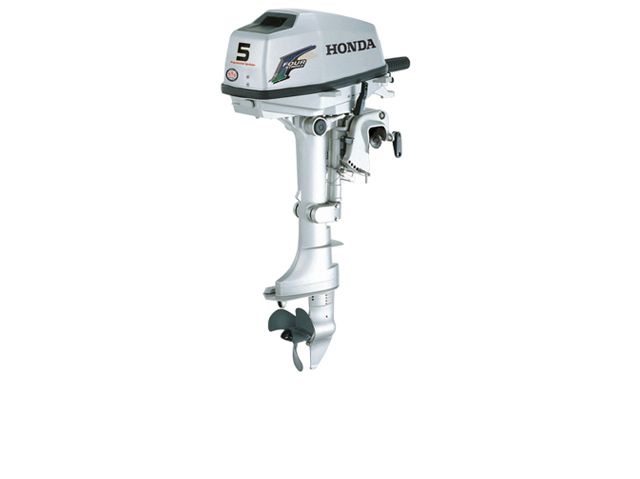
Of course, a 9.9 would work better, but I have that 6hp that I got from my father, who no longer has any use for it, so there it is.
This year, since I never even ran the electric trolling motor once, since the outboard fires up instantly, I'm going to lose the battery and trolling motor except when I fish the Mississippi's Pool 2. I expect the boat to plane a little better without the weight of the trolling motor and battery.