Re: Bayliner question
The United States Coast Guard has an opinion on this frequently asked question, and their answer from their website is reproduced below:
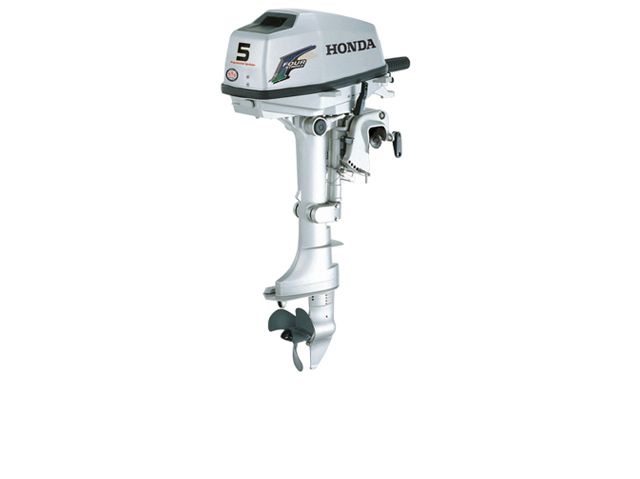
Can I use a bigger motor on my boat than what it's rated for?
It is not a violation of Coast Guard regulations to install or use an engine larger than specified on the capacity label, but there may be state regulations prohibiting it, and restrictions from your own insurance company regarding this.
There are no Coast Guard regulations against exceeding the safe loading capacity, however, there may be State regulations or restrictions from your insurance company which prohibit this. There is a Coast Guard regulation that gives Coast Guard Boarding Officers the power to terminate the use of a boat (send it back to shore) if, in the judgment of the Boarding Officer, the boat is overloaded. There is no fine for this, unless the operator refuses the Boarding Officer's order. We certainly hope that you will abide by the rating, as overloading may lead to capsizing or swamping of the boat.
NOTE: The Coast Guard Capacity Information label is required only on monohull boats less than 20' in length. The label is not required on multi-hull boats, pontoon boats (catamarans), or on any sailboats, canoes, kayaks, or inflatable boats, regardless of length.
As the Coast Guard mentions, local regulations may apply. For example, in the state of Ohio one should be guided by this regulation:
Capacity Plates
(ORC 1547.39 & ORC 1547-40)
No person shall operate or permit operation of a watercraft in excess of any of the stated limits on the capacity plate. When no capacity plate exists, no person shall operate or permit operation of a watercraft if a reasonably prudent person would believe the total load aboard or the total horsepower of any motor or engine presents a risk of physical harm to persons or property.