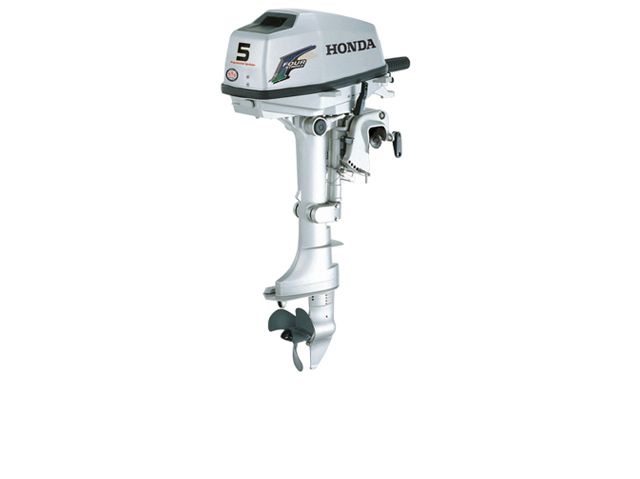
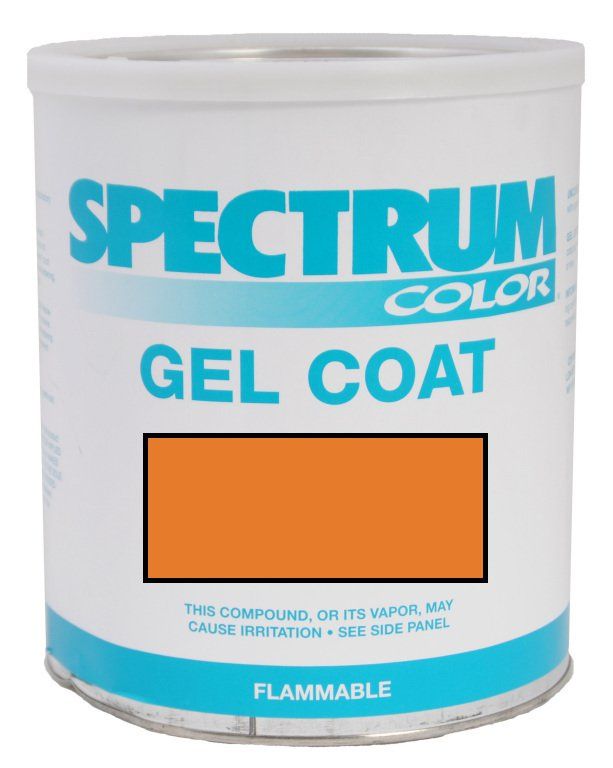
Caution needed here. <br /><br />Two dissimilar metals do not have to be in CONTACT for corrosion to occur in one of them (copper-based antifouling has copper in it, so it reacts in a similar way to copper).It is often not realised that PROXIMITY of dissimilar metals will induce corrosion, as long as they are in the same electrolytic circuit. Water is an electrolyte. <br /><br />This means that if corrosion of the lower unit might occur if painted with coppered antifouling, it will also occur if the boat hull is painted with the same antifouling.<br /><br />Not saying it WILL happen - that depends on several variables, such as the water make-up, temperature, clarity, water movement. But the ingredients are there whether you put copper on the leg or the hull.<br /><br />There are plenty of antifoulings that are 'corrosion inert', just as fibreglass is. A Google search will list pages of 'em.<br /><br />For corrosion resistance, fit sacrificial anodes - big ones - and keep them clean.Perfidiajoe:Do not, put copper based bottom paint on the lower unit, copper & aluminium in salt water is asking for corrosion! Do use copper bottom paint on fiberglass hull.