






FOUR STROKE/TWO STROKE
A recent conversation with a friend went something like this:
Friend: Have you bought a boat yet?
Me: No, I?m still undecided about whether I want a two stroke or a four stroke.
Friend: What is a four stroke?
Me: That?s a difficult question to answer but you asked the right person.
(I said this believing that of the four or five different ways Tashasdaddy had tried to explain it to me surely one or two would have stuck. But I drew a blank.)
Me: Well, you?ve heard of two strokes, haven?t you? A four stroke has two more of the strokes than that ? or twice as many. Or, stated another way, the two stroke has two less or half as many.
Friend: What are those extra strokes good for? Why have them?
Me: They are good for a lot of things. Mostly it means that you get better gas milage ? sometimes.
Friend: Why do you get better gas milage?
Me: Because you have two more of the strokes. Weren?t you listening?
Friend: Are strokes like pistons?
Me: Some say ?yes?. Some say ?no?. They are a lot alike but very different. That?s why we boaters just say two stroke/four stroke. We all know what we mean.
Friend: What exactly do the strokes do that make you get better gas milage?
Me: Well, there are twice as many of them so they use twice as much gas.
Friend: Wouldn?t that mean that you would get less gas milage?
Me: It would seem that way but I would have to take you beyond the basics to really give you a good understanding of the subject. Why can?t you just leave it alone?
Friend: It just doesn?t make sense to me, that?s all.
Me: OK! Let me simplify this for you. Let?s say you give four drops of gas to a two stroke. It will only use two of those four because it is only has two strokes. A three stroke would use three. A four stroke uses all four. A six stroke would be minus two. So the four strokes are most efficient.
Friend: Why not give the two stroke just two drops of gas? Why give it four drops? And what happens to those two extra drops that the two stroke doesn?t use?
Me: Nobody really knows the answer to that question. But really, for the purposes of this conversation all you really need to accept is that a four stroke won?t cost as much to run out to the gulf.
Friend: Where are these strokes?
Me: Why, in the engine, of course. Where would you think?
Friend: How do you know they?re in there? Have you ever seen them?
Me: No, of course not. You can?t see them. They?re in the engine.
Friend: Where in the engine?
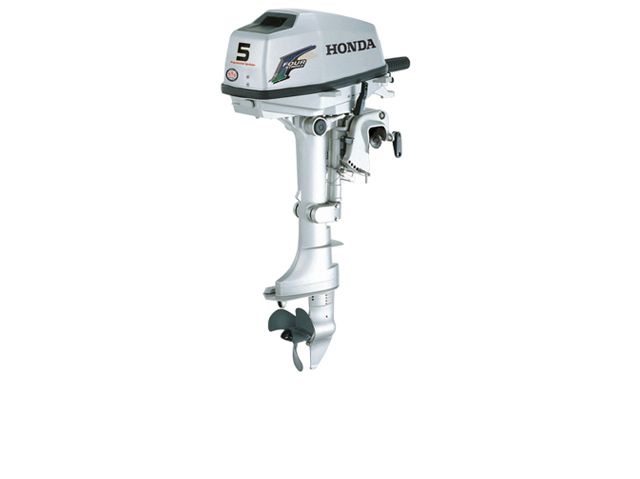
Me: You are really becoming a bit exasperating, you know. Here?s the thing ? if this isn?t over your head. That thing that you see on the back of the boat is not really the engine. We call it the engine but it is really just a painted box. That thing will come right off of there and inside is the actual engine.
Friend: Have you ever looked in one?
Me: You mean the actual engine? Sure, dozens of times. A couple of times anyway. You have to be a mechanic to get that metal box off of there. And even if you knew how to take it off what you would see wouldn?t make any sense to you. It?s all just wires and screws and carburetors and strokes and plugs and things like that. Most of it is just a huge chunk of metal that they could probably do without anyway. It just adds to the weight but they started out using it years ago to attach wires and things to and, despite high tech advances, they still use it. Throw it away, I say. Except maybe if they didn?t have all that weight back there when you gave it the gas it would nose dive and nobody wants that.
Friend: Sounds as if you have really researched the matter. What have you decided?
Me: I think I?m going to get two of the strokes. Then, later, if I decide that two are not sufficient I?ll add another. I haven?t checked but I imagine you could find a good used stroke on ebay for less than a hundred dollars. A new stroke might cost as much as $300. Probably get a pair for five hundred. I?d probably spring for the pair. That way when the mechanic sticks them in there he would only have to do it once. That?s where the real cost is ? labor.
Friend: You have really impressed me with your range of knowledge.
Me: I owe it all to those folks on iboats. They taught me a lot. It was tough going at first but once I applied myself I caught right on.
A recent conversation with a friend went something like this:
Friend: Have you bought a boat yet?
Me: No, I?m still undecided about whether I want a two stroke or a four stroke.
Friend: What is a four stroke?
Me: That?s a difficult question to answer but you asked the right person.
(I said this believing that of the four or five different ways Tashasdaddy had tried to explain it to me surely one or two would have stuck. But I drew a blank.)
Me: Well, you?ve heard of two strokes, haven?t you? A four stroke has two more of the strokes than that ? or twice as many. Or, stated another way, the two stroke has two less or half as many.
Friend: What are those extra strokes good for? Why have them?
Me: They are good for a lot of things. Mostly it means that you get better gas milage ? sometimes.
Friend: Why do you get better gas milage?
Me: Because you have two more of the strokes. Weren?t you listening?
Friend: Are strokes like pistons?
Me: Some say ?yes?. Some say ?no?. They are a lot alike but very different. That?s why we boaters just say two stroke/four stroke. We all know what we mean.
Friend: What exactly do the strokes do that make you get better gas milage?
Me: Well, there are twice as many of them so they use twice as much gas.
Friend: Wouldn?t that mean that you would get less gas milage?
Me: It would seem that way but I would have to take you beyond the basics to really give you a good understanding of the subject. Why can?t you just leave it alone?
Friend: It just doesn?t make sense to me, that?s all.
Me: OK! Let me simplify this for you. Let?s say you give four drops of gas to a two stroke. It will only use two of those four because it is only has two strokes. A three stroke would use three. A four stroke uses all four. A six stroke would be minus two. So the four strokes are most efficient.
Friend: Why not give the two stroke just two drops of gas? Why give it four drops? And what happens to those two extra drops that the two stroke doesn?t use?
Me: Nobody really knows the answer to that question. But really, for the purposes of this conversation all you really need to accept is that a four stroke won?t cost as much to run out to the gulf.
Friend: Where are these strokes?
Me: Why, in the engine, of course. Where would you think?
Friend: How do you know they?re in there? Have you ever seen them?
Me: No, of course not. You can?t see them. They?re in the engine.
Friend: Where in the engine?
Me: You are really becoming a bit exasperating, you know. Here?s the thing ? if this isn?t over your head. That thing that you see on the back of the boat is not really the engine. We call it the engine but it is really just a painted box. That thing will come right off of there and inside is the actual engine.
Friend: Have you ever looked in one?
Me: You mean the actual engine? Sure, dozens of times. A couple of times anyway. You have to be a mechanic to get that metal box off of there. And even if you knew how to take it off what you would see wouldn?t make any sense to you. It?s all just wires and screws and carburetors and strokes and plugs and things like that. Most of it is just a huge chunk of metal that they could probably do without anyway. It just adds to the weight but they started out using it years ago to attach wires and things to and, despite high tech advances, they still use it. Throw it away, I say. Except maybe if they didn?t have all that weight back there when you gave it the gas it would nose dive and nobody wants that.
Friend: Sounds as if you have really researched the matter. What have you decided?
Me: I think I?m going to get two of the strokes. Then, later, if I decide that two are not sufficient I?ll add another. I haven?t checked but I imagine you could find a good used stroke on ebay for less than a hundred dollars. A new stroke might cost as much as $300. Probably get a pair for five hundred. I?d probably spring for the pair. That way when the mechanic sticks them in there he would only have to do it once. That?s where the real cost is ? labor.
Friend: You have really impressed me with your range of knowledge.
Me: I owe it all to those folks on iboats. They taught me a lot. It was tough going at first but once I applied myself I caught right on.


