The manual states that anything below 120 COULD be cause for alarm.......wow great info. Pfffffffft. How about some particulars to go with that, rpms, like cranking, all other plugs out of engine, dose cylinders with oil before testing, how close should the differences be, are differences being close a better number than raw pressure?
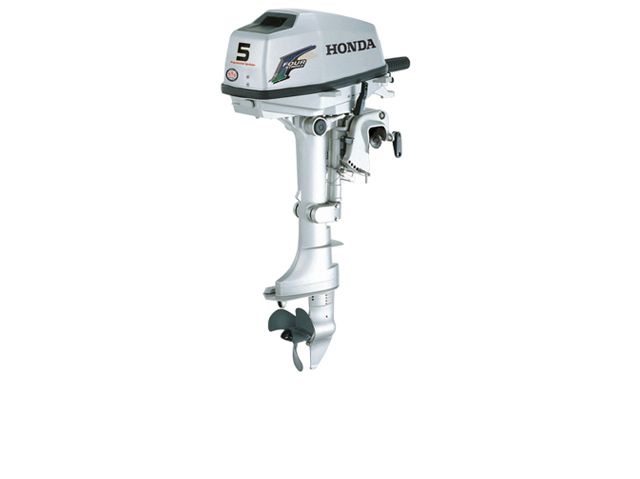
You asked for a number. Testing is made at normal battery cranking speed with all plugs out.....will be about 200 rpm. Better to read through the comment I made above and implement what I have said. On the oil application, only do that if you have really bad readings with a known good gauge inserted properly. If the pressure jumps up 20-30 psig then your rings are either stuck or worn out. That engine is a looper and loopers use flat topped pistons and only 2 pressure backed rings which have to move freely in the piston groves to perform properly. If your crankcase is all gummed up with unburned oil or caked on/baked on deposits, it could be that the rings can't expand on the compression stroke like they are supposed to and give you a low pressure reading.
Sea Foam is a great product for cleaning up that engine. I kept it in the fuel for my 2002 90 triple....your little brother. Never had problems with compression or fuel issues related to goo in the fuel or combustion chamber.
In the archives is listed a process referred to as "DeCarb". Will be listed numerous times. If you are really gunked up, crown of pistons caked with crud, you can bet your rings are too. This process could be a quick, inexpensive, non invasive solution to your compression reading low if that's the case.
On cylinder to cylinder differences, some use 10%, others 10 psig, others 15%, and others 15 psig for a max deviation cylinder to cylinder for a number. I think the manual for that engine said 10 psig max difference. I gave it away with the boat so I no longer have it. The local fire/rescue department needed it more than I did.