Re: New Boat Buyer: Questions
There isn't anything peculiar about fiberglas to worry about and it is way more durable than wood or aluminum. Give us the age and make if you can.
If you are concerned about the condition of your boat, the main thing (other than holes, including chips through the gel coat) is that your transom is solid. while it's on the trailer, motor up, put your weight on the motor and see if the transom flexes. if so, you have problems. if not, you are fine. Being a 14' OB you shouldn't have to worry about anything else.
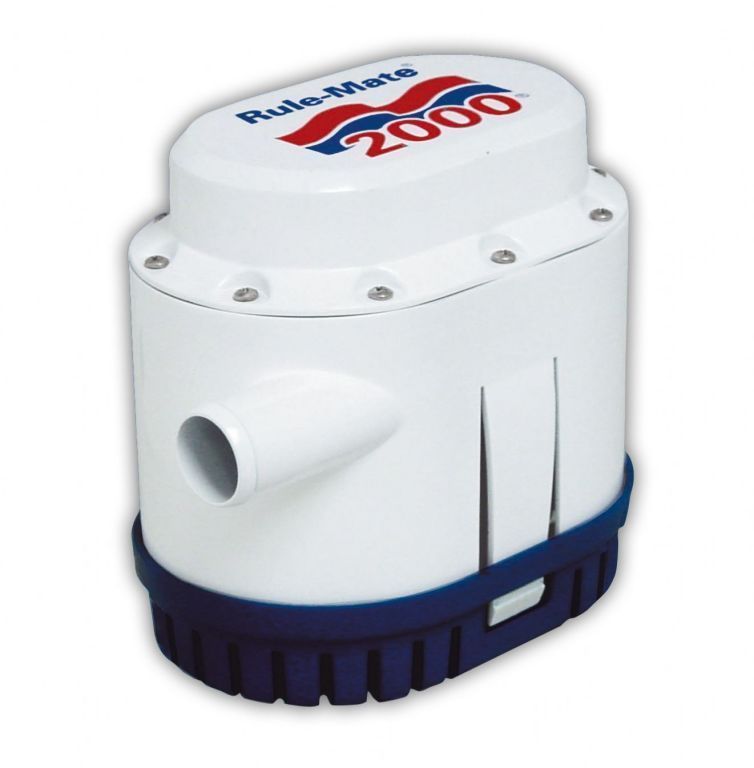
Your question about the bilge pump leads me to suggest you take a boating safety course now.
Some boats that size have no pump and you pull the plug and run the water out. But it's better practice to have a pump.
A manual pump is fine. turn it on when you need it. Turn it off when it stops pumping. Do NOT leave it running, regardless of whether the motor is on.
If you find your boat is accumulating water in normal operation, or just sitting there, focus on the leak, not the pump. A bilge pump is equipment used to prevent a problem from becoming serious; it does not solve a problem (except for evacuating water you know where it comes from, like rain or splashing).
If you are tinkering with your new boat, the better set up is to have the pump on a seperate float switch so it comes on automatically when needed, as well as the manual switch. This is particurly important in a boat you leave in the water. The float switch is also important for larger boats where you can't see the water inthe bilge; probably not a worry for your small boat. Do NOT get the kind of pump that cycles itself on and off "checking" for water; some people call them "automatic" (I call them "moronic") but others refer to the float switch set-up as "automatic."