




landshark40
Recruit
- Joined
- Sep 23, 2012
- Messages
- 1
Hello this is my first post and Im a newbie when it comes to outboards, I've been reading and trying to figure this whole outboard thing.
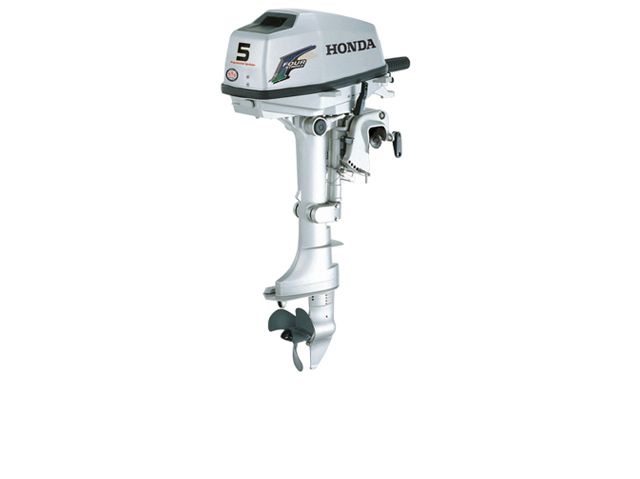
Now to the problem I just bought a 14' aluminum boat with this 1981 25 hp johnson it has sat for sometime in a barn. First thing I did was put a fresh battery and tested for spark with one of those inline spark plug tester and no spark. I did a sensor coil resistance test and got 39.6 ohms which it says 30-50 so thats good, next I did the sensor coil output test and got .081v that was from c to armature plate and the same for b to armature plate. Book says no reading is good but is .081 considered a reading or noise. Then I went from b to c and got .14v the book says anything less then .3volts is bad.I am using a fluke 789 meter that has a min/max hold is this good enough or do I need to make a DVI and should I be looking for AC or DC volts those readings where with DC volts. During all these cranking test should I be cranking with no spark plugs to make sure I am getting enough rpm's.
Thanks
Now to the problem I just bought a 14' aluminum boat with this 1981 25 hp johnson it has sat for sometime in a barn. First thing I did was put a fresh battery and tested for spark with one of those inline spark plug tester and no spark. I did a sensor coil resistance test and got 39.6 ohms which it says 30-50 so thats good, next I did the sensor coil output test and got .081v that was from c to armature plate and the same for b to armature plate. Book says no reading is good but is .081 considered a reading or noise. Then I went from b to c and got .14v the book says anything less then .3volts is bad.I am using a fluke 789 meter that has a min/max hold is this good enough or do I need to make a DVI and should I be looking for AC or DC volts those readings where with DC volts. During all these cranking test should I be cranking with no spark plugs to make sure I am getting enough rpm's.
Thanks
